MVP
The most important features come first, so the product reaches its users quickly. The architecture is set up from the start to carry later extensions.
- Prototyping and development
- Extensible technical foundation
- Feedback loops with users
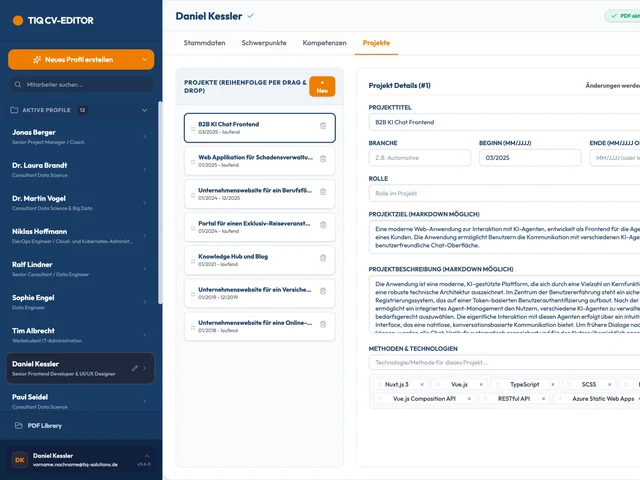
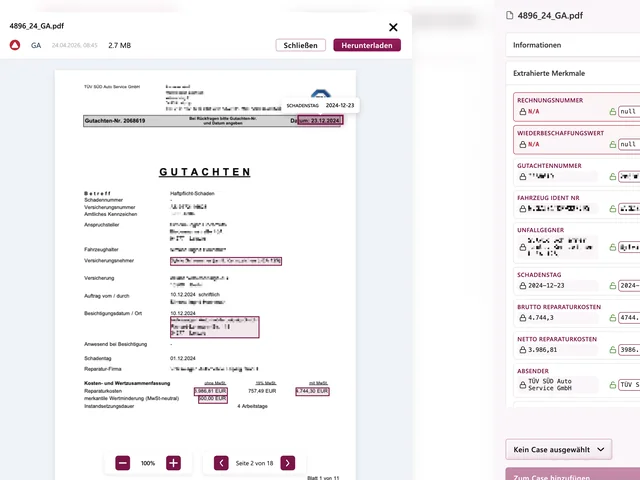
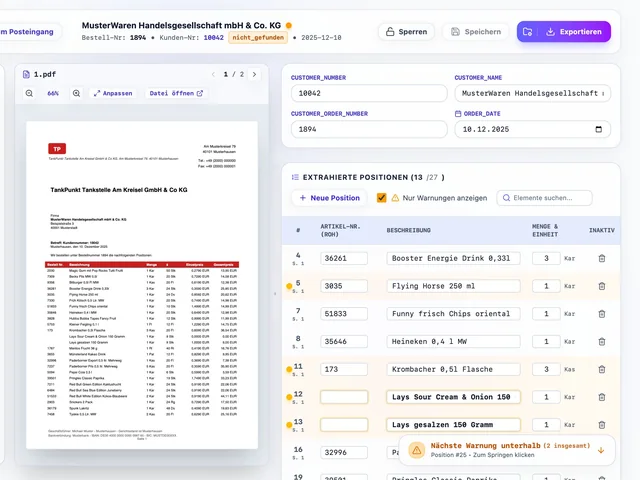
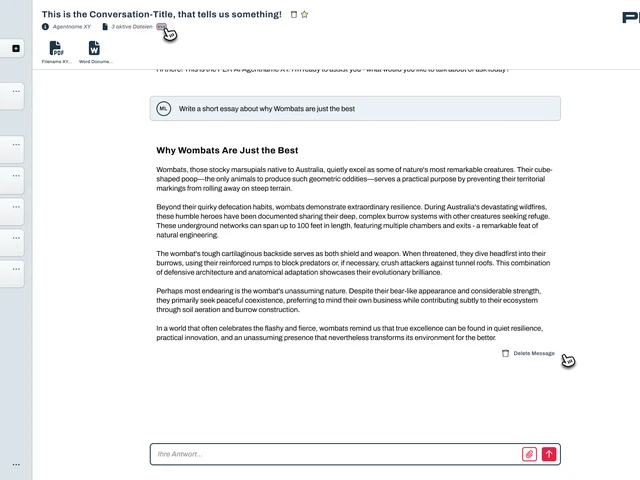
Web applications, dashboards and AI-assisted interfaces for companies and organizations – from MVP to the modernization of existing applications.
A web app connects backend logic with an interface people use every day. Concept, interface and development are handled by one person. For larger projects, starting with an MVP is advisable: go live early and keep developing based on real user feedback. On request, maintenance and further development run on a retainer.
The most important features come first, so the product reaches its users quickly. The architecture is set up from the start to carry later extensions.
An aging codebase is reworked step by step: migration, refactoring and performance optimization with as little downtime as possible.
It starts with requirements, data model and interfaces. The stack follows the task: Python with FastAPI for compute-heavy work, Node.js for real-time services, PHP for compatibility with existing systems and, depending on the architecture, Supabase, Payload CMS or headless WordPress.
Vue and Nuxt are used to build dashboards and interfaces that respond immediately to input. Clean state management keeps data and display consistent, including with real-time updates.
Docker provides identical environments in development and production. Automated tests and CI/CD pipelines check changes before they go to production. The current state can be viewed at any time on a private preview site.
Four points apply in every project, regardless of size.
That depends on the project: features, data model, integrations, roles and permissions, and the number of people involved. An MVP limits the first step to the most important features. With a clearly defined scope or a booking for a fixed period, there is a fixed price; otherwise the work is billed by time.
An MVP contains only the most important features and goes live early. Further development then builds on real user feedback instead of assumptions.
Yes. That includes refactoring, migration to a current stack, performance optimization, and security hardening – step by step and with as little downtime as possible.
Vue, Nuxt, and TypeScript on the frontend. On the backend, Node.js, Python (FastAPI), PHP, Supabase, or Payload CMS, depending on the requirements.
The current state is available at any time on a private preview site. Coordination runs through Signal, Teams, and a shared project board.
An application needs maintenance to stay secure and keep running: updates, security fixes, and further development. A retainer after the end of the project is the recommended way to cover that.
Tell me about your requirements. A conversation clarifies scope, timeline and a sensible first step.